
+92 300 9842234
Side Info Heading
Side Info Text
Gallery Heading

Follow Us

Dubai enjoys one of the most competitive digital markets in the world. Many businesses in the UAE are spending a lot of money on paid advertisements, search engine optimisation, social networks, and influencer marketing, and fail to convert traffic into sales. This issue is not visible often.
In fact, the actual problem is often related to user experience and interface design. The premium driven fast market in Dubai requires users to have the capacity to see, feel, and trust with a speedy and fast response. When a site becomes confusing, slow, or aesthetically confusing, they exit the site in a few seconds.
This is where psychology driven UX and UI design becomes a critical growth lever for UAE businesses. The UX and UI design in Dubai is not about the aesthetics anymore. It is the knowledge of the thoughts, actions and decision-making processes of users in the UAE on the internet, and it is the development of digital experiences that lead them to conversion in a natural way.
Once the behavioural psychology is combined with the UX, UI, and CRO strategies, the conversions are predictable and not incidental. This guide describes psychology-guided UX and UI design, which enhances conversions by Dubai and UAE companies, why most websites fail, and how intelligent choices in the interface directly result in specific ROI.
UX and UI Design in the Dubai Digital Market: Understanding the Difference
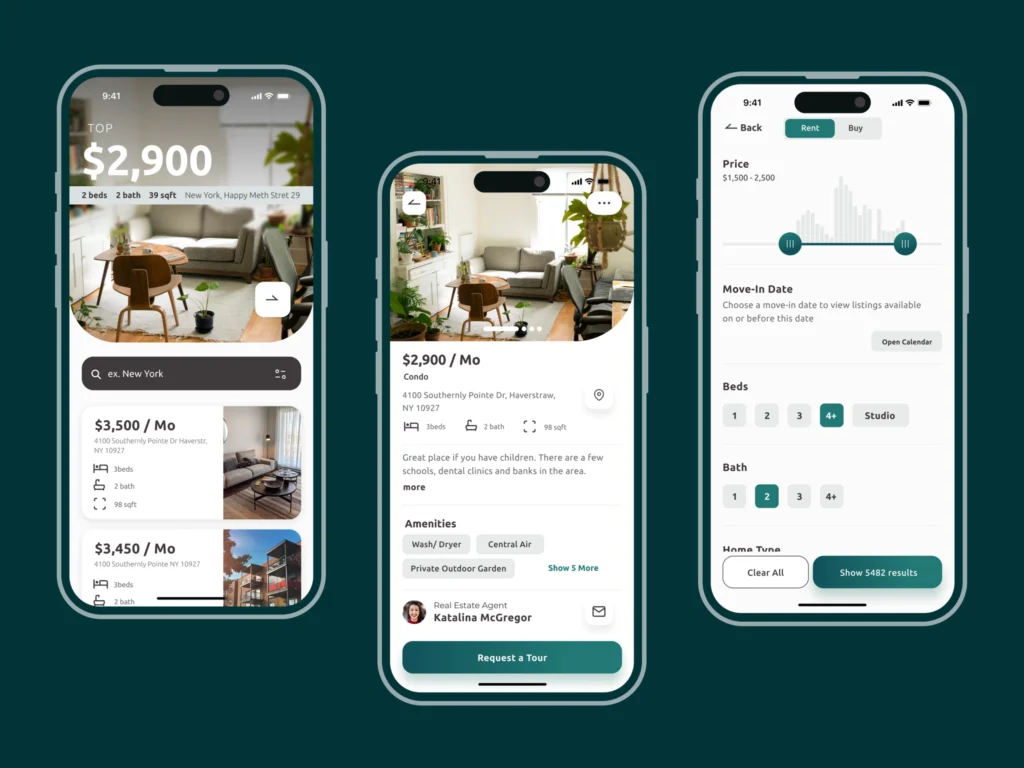
Within the UAE, it is a common practice in business to use UX and UI as one. This misconception often results in beautiful websites that do not function properly. User Experience (UX) design focuses on the way users interact with a website or application.
The UX in the Dubai market will entail the clarity of navigation, flow of page, speed of loading, ease of access, and the ease with which the user can perform a specific task, such as filling a form or making a purchase. The UX provides an answer to one important question: How convenient and easy is this user experience?
User Interface (UI) design is concerned with the appearance and visual way of communicating the site. UI comprises colours, typography, layouts, spacing, icons, animations, and visual hierarchy. In Dubai, the quality of design is linked by the users to brand credibility so that the UI directly determines trust and perceived value.
High converting UAE websites do not place more importance on one and more on the other. They unite UX and UI to lead the users to action with the least obstruction.
Why Psychology Driven UX and UI Design Matters in Dubai and the UAE
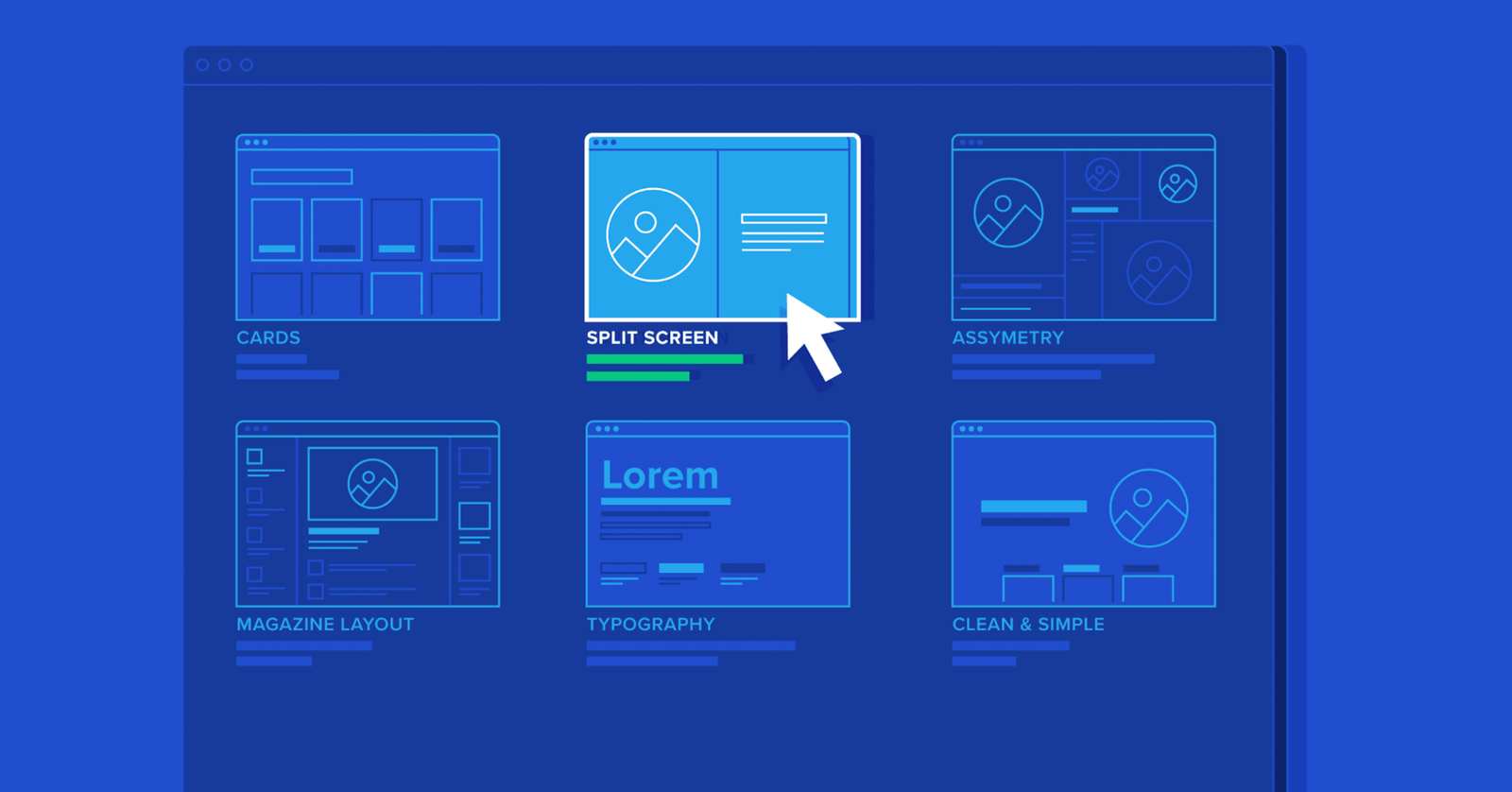
The users are digitally advanced in Dubai. They are fast in making comparisons, demand high standards of service, and are not very tolerant of bewilderment. The decision made by the designer in such an environment is expected to be grounded in psychology rather than assumptions.
The UAE users do not read the websites line by line. They pick, perceive, and in seconds they decide. They also react to trust signals, clarity, effort needed and emotional comfort. User experience and user interface design shaped by psychology consider these facts and create interfaces that do not conflict with human behaviour but are designed to accommodate it.
This is why UI design for conversion, UX psychology, and CRO strategies are essential for businesses operating in Dubai’s competitive digital ecosystem.
Cognitive Load and UX Design for UAE Audiences
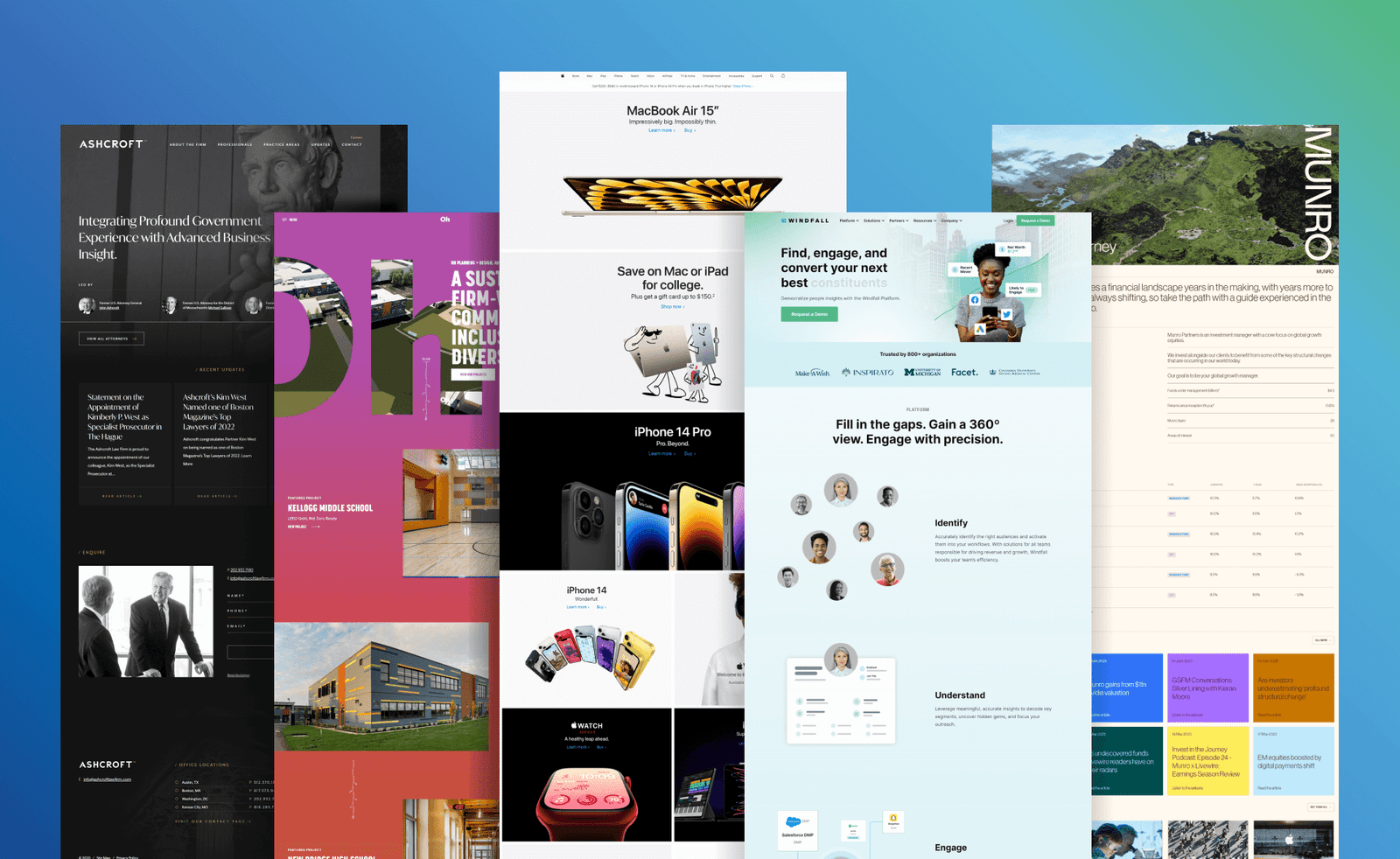
Cognitive load is the mental energy that is needed to work on information. The problem of high cognitive load is one of the largest forms of users leaving websites in a crowded digital market in Dubai.
Users have to think hard when they are exposed to messy layouts, difficult messages, excessive choices, or inconsistent design patterns. Consideration provokes indecisiveness, and indecisiveness decreases transformations. Efficiency and clarity are what the Dubai users require. They just switch to a competitor, in case a site requires them to work.
Effective UX design for UAE businesses focuses on reducing cognitive load through structured layouts, clear headings, predictable navigation, and consistent visual language. This is aimed at making the users have the knowledge of what is being offered and what to do next without the need to be explained on anything.
Removing mental friction leads to confidence, and conversions ensue when UX is involved.
Fitts’s Law and CTA Placement in Dubai Focused UI Design
The Fitts Law states that the less difficult it is to access and interact with a particular element, the quicker users respond. This principle directly influences the performance in terms of conversion in the case of UI design on Dubai websites.
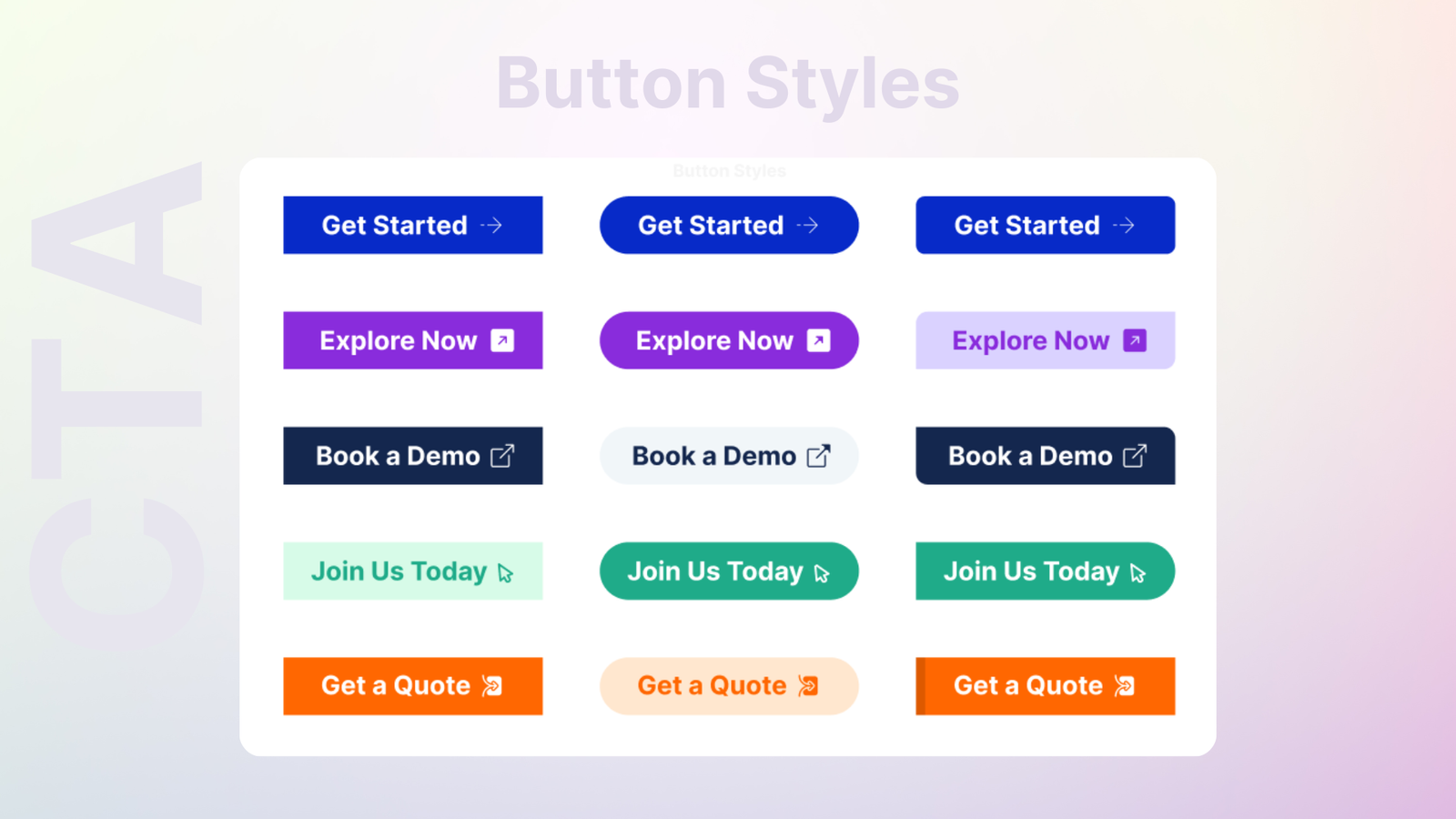
There should be call to action buttons which should be visible, properly sized and situated at the place where the eye is bound to go. CTAs should also be tap-friendly and easy to use on mobile devices, which comprise the greater part of traffic in the UAE.
Shoddily placed CTA, low contrast, or overtly subtle buttons cause friction and will not engage people. The websites of high converting Dubai make sure that major actions are visible and can be accessed on all devices. Users have much better chances of converting when communication becomes seamless.
Hick’s Law and Decision Making for UAE Users
Dubai is a choice rich market. Users are doing a continuous service, price, and feature comparison. Nevertheless, an excess of options simultaneously usually results in paralysis when making choices.
According to Hick Law, the greater the number of options offered to the user, the longer the time he/she takes to make a decision, and if no decision is selected, in most cases. This is a general problem within the UAE websites that strive to make everything visible at the same time.
A good UX and CRO approach to Dubai companies revolves around directing users through regulated decision processes. Rather than bombarding users with various CTAs, pricing schemes, or navigation details, the most successful websites offer a single dominant action, with successively supportive contextual details offered.
By limiting visible choices and using progressive disclosure, UX design reduces anxiety and accelerates conversion.
Visual Hierarchy and UI Design for Dubai’s Premium Expectations
The market in Dubai is high end, and users have a subconscious association of visual quality and credibility. Visual hierarchy is essential in the process of defining the way users view a brand and how they treat the content.
The high visual hierarchy guarantees that the most significant information is viewed at first sight, the value proposition is perceived, and the users are guided to the conversion points without the necessity to take additional steps. The combination of size, spacing, contrast and alignment helps to steer attention without overwhelming the user.
Dubai focused UI design particularly requires a lot of white space. It makes it easier to read, the perceived quality will be stronger, and important elements will be visible. A clean, well-structured interface conveys professionalism, and trust is created immediately.
Colour Psychology and Trust Building in UAE Web Design
Colour psychology is important in influencing the user’s feelings towards the website. The colour decisions should be deliberate in the UAE, where the element of trust and credibility is high in decision making.
Trust, stability and professionalism are communicated by the use of blues and neutral colours. Green is usually an indicator of advancement and security, hence it is effective in confirmation states and success messages. Colours of the accent are applied strategically to attract CTAs without causing visual stress.
High converting Dubai websites research the use of colour with reference to behavioural information, as opposed to depending on brand preference alone. The idea is to help the user process be more straightforward, less tentative and more confident in all the phases of the user journey.
Social Proof and Trust Signals for Dubai Businesses
There is high trust in conversion behaviour in the UAE. Customers would also like to be assured of taking action, particularly when transferring personal data or paying money.
Effective UX design integrates trust signals seamlessly into the interface. Secure payment badges, perceived risk is reduced by client testimonials, reviews, recognised brand logos, and clear privacy policies. Social proof helps to assure the user that others have already done the same, and it has worked.
Trust signals cannot be neglected in the competitive market of Dubai. They are the hallmarks of any conversion centered UX and UI approach.
UX and CRO Strategy for Dubai and UAE Companies
UX design becomes a growth engine when it is supported by data. Effective UX and CRO in Dubai should be based on the behavioural insights and not the opinion.
Heatmaps show the areas of attention of the users. The funnel analysis will determine the location of the dropoff of the users. Scroll tracking indicates the level of content consumption. Design changes are validated in an objective manner using a and B testing.
These revelations enable companies to make specific adjustments which directly influence the rate of conversions.
Making minor UX adjustments, like slightly modifying headline organisation, reducing forms, or moving the CTAs, can yield large improvements in engagement levels and revenue without having to spend traffic.
High Converting UI Patterns for UAE Websites
In Dubai, some patterns of UI have been noted to enhance the performance of conversion across industries. Sticky CTAs make sure that the main actions do not go out of sight. Less intimidating, single column shapes are more efficient. Value propositions that are evidently positioned above the fold ensure instant attention.
These trends are successful since they are in line with human psychology and expectations of the user in the UAE. They make the process of making decisions easier, enhance clarity, and reduce friction.
Mobile First UX Design for the Dubai Market
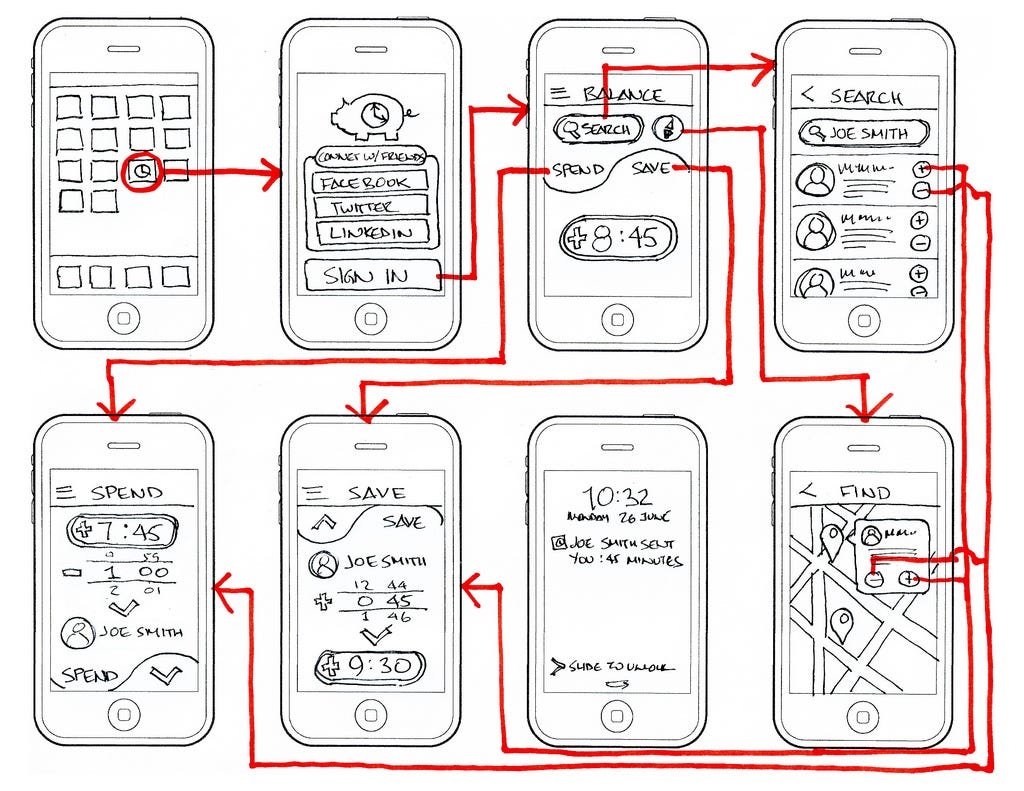
In the UAE, digital behaviour is dominated by mobile. Creating mobile first is not a good practice anymore; it is a must.
Effective mobile UX design for Dubai focuses on speed, simplicity, and usability. The interfaces are organised vertically, the buttons can be tapped easily, and any unneeded elements are eliminated. Users do not have to zoom, rotate, or have trouble getting something done.
In case of the mobile experience failure, even the most visually impressive desktop website will not perform well. The UAE market is frequently won or lost in Mobile UX.
Turning UX and UI Design into Measurable ROI in Dubai
To Dubai companies, the UX and UI design is not an artistic cost; it is a business strategy. Performance driven design fits the user journeys to the business objectives, and all interactions are geared towards conversion.
Companies can maximise conversions through a reduced amount of marketing budget by finding areas of friction, reducing the number of steps required in the path, and designing based on actual user behaviour. UX transforms into an enlarging driver of growth, efficiency, and profitability.
Assuming that the UX and UI design is shaped by psychology and confirmed by the data, it turns websites into high-performing conversion systems.
FAQs:
What is UI and UX in design?
UI design focuses on how a product looks, while UX design focuses on how users interact with it and how smooth the overall experience feels.
What exactly does a UX/UI designer do?
The work of a UX/UI designer focuses on studying user behaviour, drawing up user flows, and designing user interfaces that are easy to use and appealing and that are conversion oriented.
Is UX a lot of coding?
No, UX design is mainly about research, strategy, and usability; basic technical understanding helps, but heavy coding is not required.
Can I learn UX in 3 months?
You can learn UX fundamentals in 3 months with focused practice, but mastering UX design requires real projects and continuous learning.
Is UI/UX design an IT job?
UI/UX design is a hybrid role that sits between design, psychology, and technology, rather than a traditional IT only job.
What are the 7 principles of UX design?
Its fundamental principles are usability, clarity, consistency, accessibility, efficiency, feedback, and user centered design.
Does UI/UX need coding?
UI/UX design does not require coding, but basic HTML, CSS, or development knowledge can improve collaboration with developers.
Final Thoughts: Winning the Dubai Market with Psychology Led UX and UI Design
The digital world of Dubai is very competitive, and experience, rather than exposure, is what defines success in the competitive market. Customers drop off a site that is disconcerting, sluggish, or untrustworthy, and they pay dividends to clear brands, possess confidence, and find it convenient.
The UX and the UI design, fueled by psychology, eliminate friction, hesitation, and the development of a natural inclination to act. It does not coerce them into conversions; it makes them appear rational and painless.
In a case where the site is not performing in the UAE market, more traffic is hardly the answer. A superior experience, more intelligent interface design, and a more insightful view on user behaviour are the answers.
That is the way the Dubai companies are making digital presence grow into quantifiable growth.
Read More about Web Design:
Law Firm Website Design: Step-by-Step Guide
How a Professional Website Can Boost Your Small Business Growth