
+92 300 9842234
Side Info Heading
Side Info Text
Gallery Heading

Follow Us

In the current competitive digital world, professional online presence is no longer an option in regard to legal practices. Potential clients now rely heavily on online research before contacting a lawyer, which makes a strong law firm website design one of the most important assets a firm can invest in.
The credibility is built with the help of a properly organized website, a sense of expertise is demonstrated, and visitors are led to action. The aspect of the entire process of making an efficient legal site is crucial to the success of any new firm, or even when redesigning an existing site.
Understanding Your Target Audience
Prior to any visual design or development project, it is important to know who your ideal clients are and what they would expect to see when they visit the site of a law firm. The practice areas have different audiences, with different audiences having different concerns, priorities, and decision-making behavior.
A client who is looking for a personal injury attorney will be stressed and would like to be assured, whereas a corporate client will be interested in efficiency and professionalism. Aligning your content, messaging, and layout with these expectations enables your law firm website design to connect more effectively with visitors and establish trust from the outset.
Branding Essentials
The key factor to branding is the online perception of your firm. The use of colors, typography, voice tone, and image remains consistent to convey the idea of stability and professionalism. A unified brand identity ensures that your firm sticks and builds credibility.
A well-built branding also means that your site will be associated with the same values and standards as your offline practice that would provide a cozy experience to potential clients who would contact your firm on several levels.
The Core Foundations of an Effective Law Firm Website
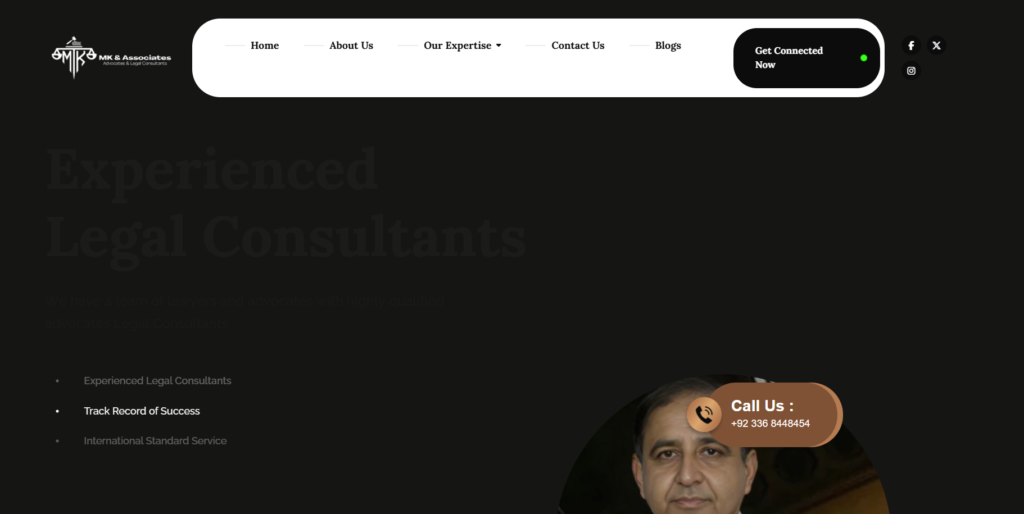
A good legal site is constructed based on transparency, usability, and functionality. The visitors must get the impression of what you are, what you do, and how you can benefit them at a glance.
Navigation must be intuitive, the content must be readable, and the pages must load fast on all devices. A solid law firm website design balances aesthetics with function, ensuring that visual appeal never comes at the expense of accessibility or user experience.
Considerations for Structure and Design
Website design is what decides the manner in which the information is arranged and how accessible it is to the user. Page hierarchies, logical menus, and clear calls to action can assist in making visitors move through the site naturally.
It should be a responsive design because a significant proportion of users are browsing through smartphones. Prioritizing law firm mobile website design ensures that your site remains fully functional and visually consistent regardless of screen size.
What Pages Should Be On a Law Firm Website?
Any law firm website must have a list of pages that cover the needs of clients and provide answers to frequently asked questions. These pages cooperate to serve the user experience and to be visible to search engines.
A well-planned law firm website design ensures that each page has a clear purpose and contributes to the overall business goals of the firm.
Home Page
The first impression that potential clients have about your firm is the home page. It must convey your point of value, demonstrate your main services, and invite your visitors to make a step, whether it is a call or a form of contact.
Services and Practice Area Pages
The pages of the practice area enable you to describe your legal services in more detail and focus on particular search queries. These pages are especially important for small law firm website design, as they help smaller practices compete by showcasing specialized expertise and local relevance.
Blog Posts
An active blog is a sign of knowledge, the development of authority, and the advancement of search engines. Necessary information on education provides responses to the frequently used legal issues and places your company as a reliable source.
About Page
The About page makes your firm a human being by telling your story, values, and experience. Transparency gives confidence, and clients would like to know who they are dealing with.
Contact Page
An easy and convenient contact page eliminates the frustration in the client experience. The information about contacts is clear, and the form is user-friendly, which allows visitors to contact the company.

Step 1. Choose and Purchase Your Domain Name
Your domain name must be professional, memorable, and, as much as possible, it must be closely associated with the name of your firm or services. The presence of a good domain aids in branding and also builds confidence on both sides of the user and the search engines.
Step 2. Select Your Web Hosting Provider
Performance and security require reliable web hosting. A slow or unstable site may send away potential clients. Hosting quality is often overlooked, but it plays a significant role in overall site effectiveness and is frequently mentioned in practical law firm website design tips.
Step 3. Choose Your Content Management System (CMS)
CMS gives you the right to control and change web content without prior knowledge. Popular systems are flexible, scalable, and offer a large variety of integrations that help them grow over a long period of time.
Work With a Professional
Although there are companies that would prefer to create websites on their own, it is sometimes better to hire expert services. Understanding law firm website design cost upfront helps set realistic expectations and prevents future limitations caused by poor technical decisions.
Step 4. Choose Your Page Builder
Page builders simplify the creation of layouts and the manipulation of visual objects. Some firms rely on law firm website design templates, while others prefer custom-built solutions for greater flexibility and branding control.
Step 5. Mock Up Your Web Design
Design mockups will enable you to visualize the site prior to the commencement of the development. This step facilitates the determination of the usability problems at the initial stage and aligns the stakeholders.
Pay Attention to Usability
The conversion rates directly depend on usability. The visitor must be able to move easily around the site, read literature easily, and make a move without having to get lost.
Step 6. Develop Your Website
The design concepts are converted into a complete functioning site during development. This stage involves coding, integration of the content, implementing SEO, and optimization of performance. A professionally executed law firm website design ensures technical stability and long-term scalability.
Step 7. Check that Everything Works and Go Live
The processes of launching need to be followed so that all the pages, forms, and links work properly. An effective online presence is established with the help of a successful launch.
Should Lawyers Build Their Websites Themselves?
Although other lawyers decide to go it alone, it can only bring certain constraints on performance and development. Partnering with the best law firm website design companies provides access to expertise in design, development, and marketing, resulting in a more effective and competitive website.
FAQs:
How did you get started with web design?
I started by learning the basics of HTML, CSS, and design principles, then practiced by building small projects and real websites.
How to find a web designer?
You can find web design ideas through competitor research, design inspiration platforms, or by defining your brand goals first.
If I want to create my own website for fun, what should I use?
Website builders like WordPress, Wix, or Webflow are great for beginners and easy to use.
What goes into designing a website?
Website design includes layout, colors, typography, user experience, and responsiveness across devices.
What are the main tips to design a Website?
Keep the design simple, focus on user experience, ensure fast loading, and make navigation clear.
Is it possible to make an online store website in one day?
Yes, using ready-made templates and platforms like Shopify, a basic store can be launched in one day.
How do you create a website or a shop online?
Choose a platform, register a domain, add content or products, set up payments, and publish your site.
How to open a small online store and make money?
Start with a niche product, build a simple store, market through social media, and focus on customer trust.
Launch Your Own Site (Conclusion)
A successful law firm website design is more than just an attractive layout; it is a strategic tool that builds trust, communicates expertise, and converts visitors into clients.
With a well-thought-out development process and the emphasis on user experience, your firm will be able to introduce a website that will help to achieve the long-term growth and enhance your presence in the digital field in a highly competitive legal market.