
Call Us Now:
+92 300 9842234
Side Info Heading
Side Info Text
Gallery Heading
Follow Us

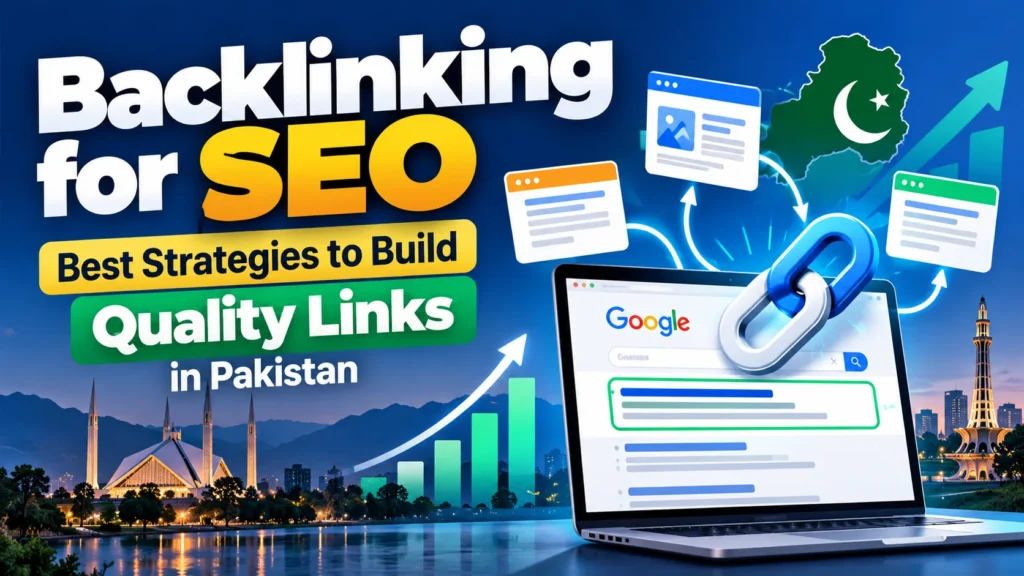
What Is Backlinking in SEO?
Backlinking means getting a link to your website from another website. People also call these links inbound links or external backlinks. For example, imagine you run a web design agency in Karachi. A local business blog writes about website design and links to your guide.
That link is a backlink. A backlink can help readers move from one useful page to another. It can also help search engines discover your content.
However, a backlink is not an automatic vote of trust. Google evaluates links through several systems. The value of each link depends on its context and other signals.
How Do Backlinks Work?
When one website links to another, search engines can follow that link to find new pages. Google may also use links to understand how pages connect across the web. For example, a link from a relevant marketing blog to an SEO guide may provide useful context.
The link may help visitors find the guide. It may also help Google understand its topic. The key point is simple: a useful backlink should make sense for real readers.
Why Are Backlinks Important for SEO?
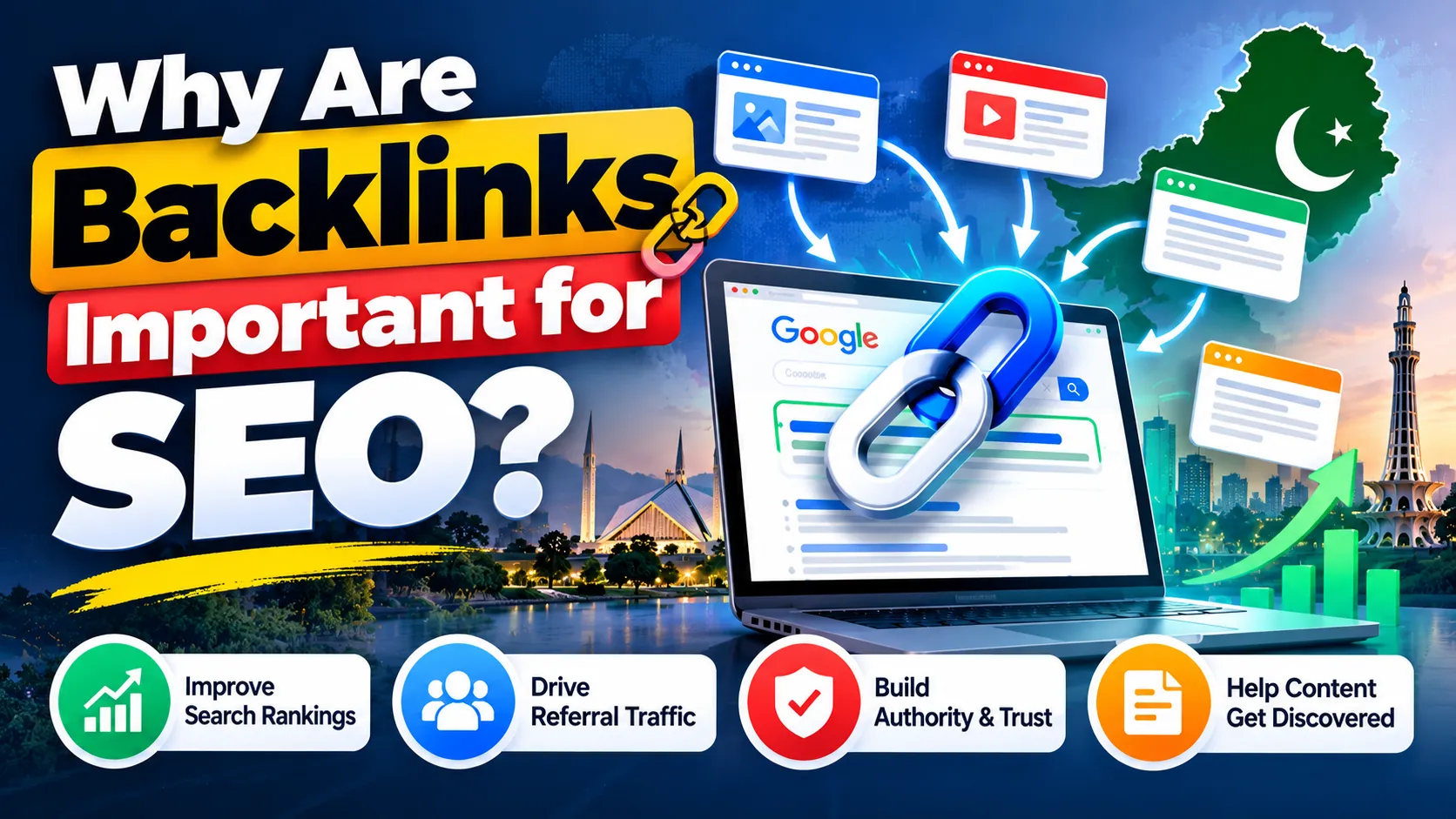
Backlinks remain part of how Google discovers and evaluates web pages. They are not the only ranking factor, and they do not guarantee better rankings. Still, earning relevant links can support several business goals.
1. They Can Improve Search Visibility
Google uses many signals to rank pages. Links are one part of that process. When trusted websites link to helpful content, those links may support its visibility. However, strong content, page relevance, and a good user experience also matter.
2. They Help People Discover Your Website
A backlink can send visitors directly to your website. Imagine a popular Pakistani technology blog linking to your software guide.
Readers who want more information may click that link. Some may explore your services or contact your business. This traffic can be valuable even if the link has little effect on rankings.
3. They Can Build Brand Awareness
When your brand appears on relevant websites, more people can learn about it. For example, a small digital agency in Lahore may share useful research with a marketing publication. If the publication mentions the agency and links to its research, new readers can discover the brand.
4. They Support Content Discovery
Search engines find pages through several methods, including links and sitemaps. Links from other websites can give search engines another path to your content. This is helpful, but it does not guarantee that Google will index the page.
What Are the Different Types of SEO Backlinks?
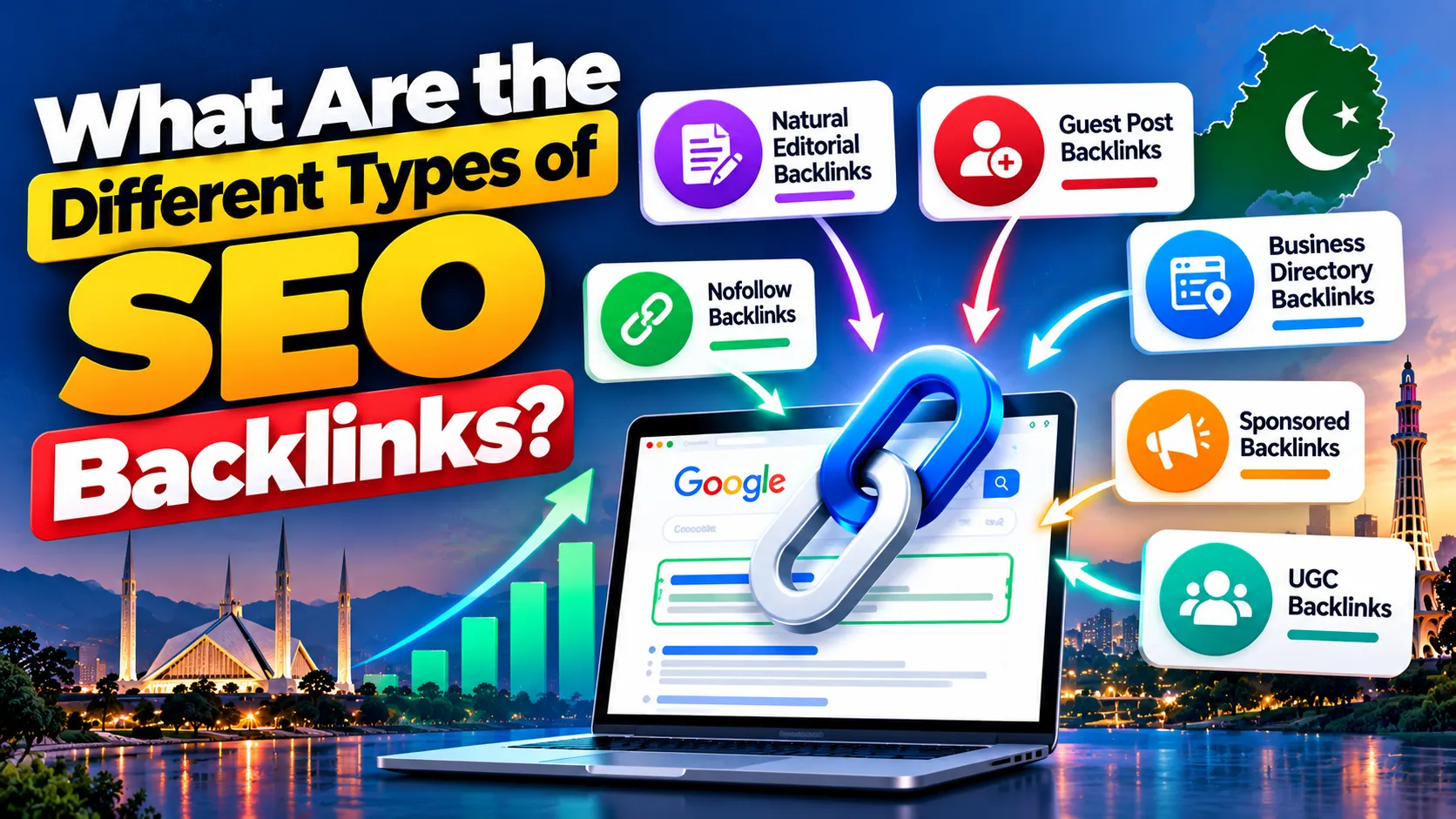
Not all backlinks work in the same way. Some are earned through useful content. Others come from business profiles, editorial mentions, or paid placements. Understanding the difference helps you avoid poor decisions.
Natural Editorial Backlinks
These links appear when another website chooses to reference your content. For example, a journalist may link to your industry report because it contains useful facts. You do not pay for the placement or control the writer’s decision. These links can be valuable when they come from relevant pages.
Guest Post Backlinks
Guest posting means writing an article for another website. A guest article can introduce your expertise to a new audience. It may also include a relevant link to your website. However, guest posting should focus on useful content rather than placing links at scale.
Business Directory Backlinks
Some online directories allow businesses to create profiles with website links. For example, a Pakistani service company may list its name, address, phone number, and website in a genuine local directory. Choose directories that serve real users. Avoid websites that exist only to sell links.
Nofollow, Sponsored, and UGC Links
Websites can add special attributes to links.
- Nofollow: The rel=”nofollow” attribute tells Google that the publisher does not want to endorse the linked page through a normal link.
- Sponsored: The rel=”sponsored” attribute identifies advertising, paid placements, and sponsored links.
- UGC: The rel=”ugc” attribute identifies links in user content, such as forum posts and comments.
Google treats these attributes as hints when processing links. A nofollow link can still bring useful visitors. A sponsored link can also help people discover your business. The important thing is to label links correctly and avoid using paid placements to manipulate rankings.
What Is the Best Strategy for Backlinks in SEO?
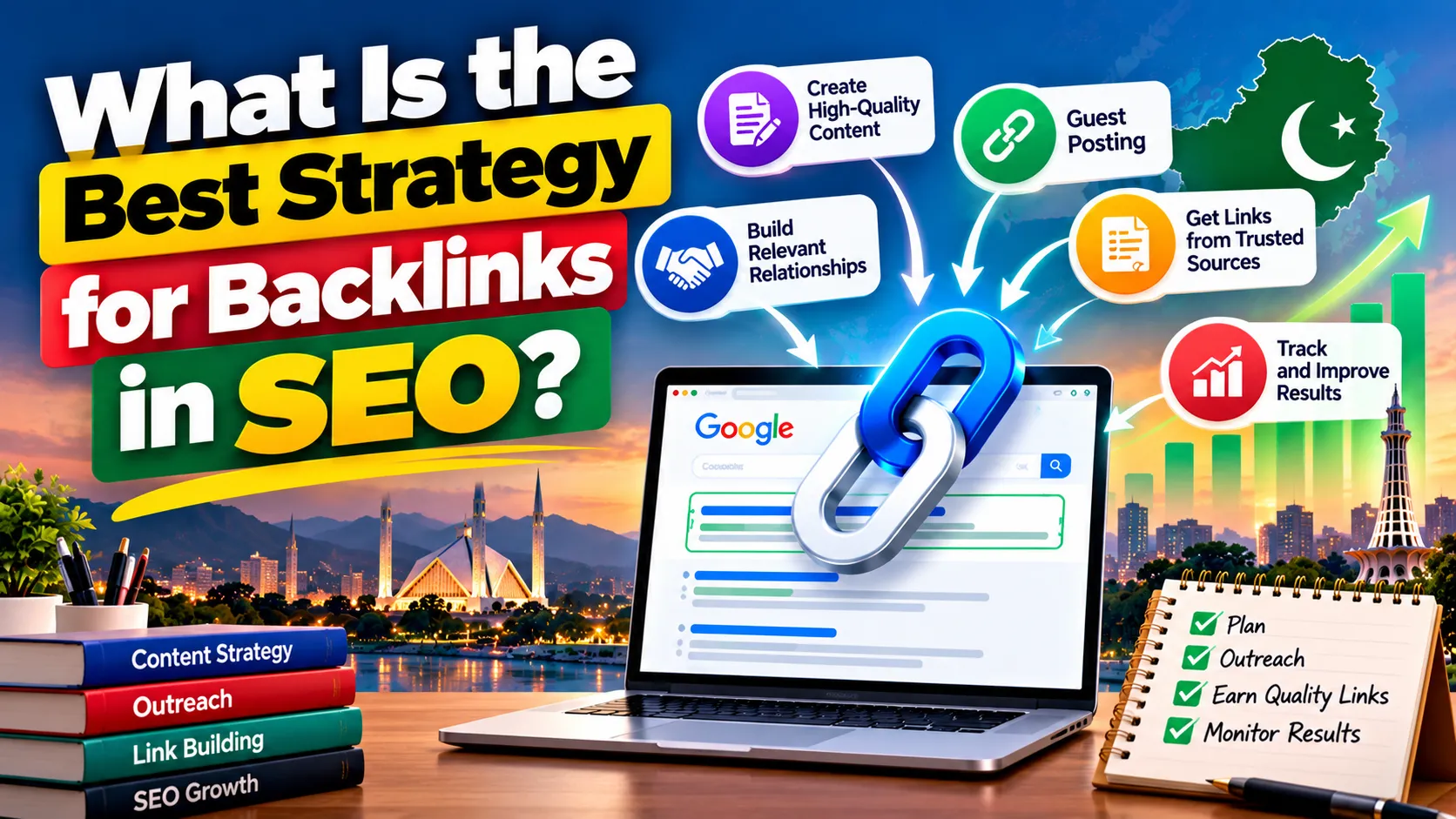
The best strategy for backlinks in SEO is to earn links through useful content, relevant relationships, and genuine business activity. There is no single method that works for every website.
A local service business may benefit from industry directories and local partnerships. A technology blog may earn more links through research, guides, and expert content. The following steps offer a practical starting point.
Step 1: Review Your Existing Backlinks
Before building new links, check the ones your website already has. Google Search Console provides a Links report. It can show which websites link to you and which pages receive links.
You can also use SEO tools such as Ahrefs or Semrush for more detailed research. Look for patterns rather than focusing only on the number of links.
Check whether the referring pages are relevant to your business. Also, review links that look unusual or come from unrelated websites. Do not assume every low-quality link needs to be removed. Google can ignore many spammy links on its own.
Step 2: Study Your Competitors
Find websites that rank for your target keywords. For example, if you provide SEO services in Islamabad, search for related terms and review the competing pages. Look at the types of websites that mention them.
You may discover local blogs, business publications, useful directories, or industry resources. The goal is not to copy every competitor backlink. Instead, find relevant websites where your content or expertise could help readers.
Step 3: Create Content People Want to Reference
Useful content gives other publishers a reason to link to your website. Consider creating:
- Original surveys about Pakistani consumers or businesses.
- Detailed guides that solve common industry problems.
- Free templates, checklists, or calculators.
- Case studies with clear methods and real results.
- Helpful resources that explain local rules or business processes.
For example, a marketing agency could publish a study about website problems faced by small businesses in Pakistan. If the study uses reliable data and explains its methods, other writers may find it useful. Good content does not guarantee backlinks. You still need to help the right people discover it.
Step 4: Reach Out to Relevant Website Owners
Once you have a useful resource, find websites that cover the same topic. Read their content before contacting them. If your guide adds something useful, send a short message explaining why it may help their audience.
Avoid sending the same message to hundreds of websites. A personal message that explains the value of your content is more useful than a generic request for a link.
Step 5: Build Relationships in Your Industry
Strong professional relationships can lead to natural mentions. You can connect with local business groups, event organizers, bloggers, and industry experts.
For example, a software company in Lahore might support a local technology workshop. The event organizer may choose to mention the company on its website. Such links should reflect genuine activity, not a hidden payment for ranking benefits.
Step 6: Track Results and Improve Your Plan
Review your link building work each month. Check new referring websites, referral traffic, and changes in search performance. Also, review whether your outreach leads to useful relationships. If a strategy brings relevant visitors, it may be worth continuing. If it only produces unrelated links, reconsider your approach.
What Are White Hat SEO Backlinks?
White Hat SEO Backlinks are links earned through methods that respect search engine guidelines and provide real value to users. White hat link building focuses on quality, relevance, and honest promotion.
It does not rely on hidden link schemes or false promises. For example, creating a helpful guide and sharing it with relevant publishers is a reasonable approach. Buying hundreds of links from unrelated websites to influence rankings is not.
White Hat vs Black Hat Link Building
Factor | White Hat Link Building | Black Hat Link Building |
Main goal | Help readers and earn relevant mentions | Manipulate search rankings |
Link sources | Relevant websites and genuine publications | Spam networks and artificial placements |
Content quality | Useful, original content | Thin or repeated content |
Outreach | Personal and relevant | Mass spam or automated placement |
Payment | Paid promotions are properly labeled | Paid links pass ranking credit |
Long-term risk | Lower when guidelines are followed | Higher risk of search penalties |
Main benefit | Referral traffic, brand trust, and possible SEO value | Uncertain gains that may not last |
White hat methods usually take more time. However, they support a healthier website and a more useful online presence.
How Can Pakistani Websites Build Quality Backlinks?
Pakistan has a growing digital business market. Local companies, online stores, bloggers, and service providers all compete for search traffic. A useful backlink plan should match your industry and audience.
Use Relevant Pakistani Business Directories
A genuine local directory can help customers find your business. Choose directories that have clear business information and serve a real audience. Keep your business name, contact details, and website address accurate. Do not submit your website to hundreds of random directories. Many provide little value.
Work With Local Industry Blogs
Look for Pakistani blogs that cover your business niche. For example, an education website may find opportunities with career and learning publications.
A technology company may connect with writers who review software or explain digital tools. Offer useful insights, not just a request for a backlink.
Share Original Local Research
Local data can make your content more useful. For example, an online store could publish a survey about customer delivery preferences in major Pakistani cities.
Explain how you collected the data and how many people took part. Other publishers may reference the findings if they are relevant and credible.
Take Part in Real Community Activities
Business events, workshops, and professional groups can help people discover your company. A genuine event partnership may lead to an online mention.
However, do not sponsor events only to demand links that pass ranking credit. Any paid link arrangement should follow Google’s guidelines.
Use Digital PR
Digital public relations means sharing useful news, expert insights, or original information with online publishers. For example, a cybersecurity company could explain common online scams affecting Pakistani businesses.
A journalist may use those insights in an article. If the publisher links to the original resource, the company may gain both referral traffic and visibility.
How Do You Find High-Quality Backlink Opportunities?
A good backlink should be useful to readers and relevant to your website. Do not judge links only by domain authority scores. Metrics such as Domain Authority and Domain Rating come from third-party SEO tools. They are not Google ranking scores. Before pursuing a backlink, ask these questions:
- Is the website relevant? A link from a related topic is easier to justify.
- Does the page help real readers? Avoid pages filled with random links.
- Is the content trustworthy? Look for accurate information and clear ownership.
- Is the link placed naturally? It should fit the surrounding content.
- Can the link bring useful visitors? Referral traffic matters beyond SEO.
- Does the placement follow Google’s rules? Avoid links designed mainly to manipulate rankings.
A small industry website can sometimes offer more value than a large but unrelated publication. Focus on context and usefulness rather than chasing impressive numbers.
What Are the Most Common Backlink Mistakes?
Many website owners waste money because they focus on link quantity instead of link quality. Some methods can also violate Google’s spam policies.
Buying Links That Pass Ranking Credit
Google considers buying or selling links for ranking purposes a form of link spam. This includes paying for links that pass ranking credit or exchanging goods for links without proper labels. Paid advertising is allowed, but paid links should use appropriate attributes such as rel=”sponsored”.
Using Automated Link Building Tools
Some tools create links across large numbers of websites. These links may appear in comments, profiles, or low-quality pages. Automated link creation for ranking manipulation can violate Google’s policies.
Repeating Exact Match Anchor Text
Anchor text is the clickable text inside a link. For example, a link labeled “SEO services in Karachi” uses that phrase as its anchor text. Relevant anchor text helps readers understand the destination.
However, forcing the same keyword into many backlinks can look unnatural. Use descriptive text when you control a link. Do not pressure publishers to use exact keyword phrases.
Ignoring Website Relevance
A backlink from an unrelated website may provide little value. For example, a random gaming page linking to a dental clinic guide may not help the intended audience. Choose websites where the link makes sense.
Expecting Instant Rankings
Backlinks do not produce fixed results within a set number of days. Google must discover and process links. Rankings also depend on content, competition, and many other factors. Avoid agencies that promise first-page rankings after buying a backlink package.
How Many Backlinks Does a Website Need to Rank?
There is no fixed number of backlinks required to rank on Google. Some pages rank with very few backlinks. Others compete in markets where many pages have strong link profiles. The result depends on search intent, content quality, competition, and other ranking signals.
For example, a local service page targeting a narrow area may face less competition than a national finance website. Rather than aiming for 100 links, focus on earning relevant mentions from trustworthy sources. A smaller number of useful links can be more valuable than a large collection of spammy ones.
How Long Does Backlink Building Take to Show Results?
Backlink building is a gradual process. A new link may take time to be discovered and processed. Even after that happens, search rankings may not change. Some websites see changes over weeks or months. Others see no clear ranking improvement from a particular link.
That is why you should track more than keyword positions. Monitor referral traffic, relevant mentions, organic clicks, and the quality of new linking websites. These measures provide a better picture of whether your work is helping the business.
Which Tools Help With Backlink Analysis?
Several tools can help you understand your link profile and find useful opportunities.
Google Search Console
Google Search Console is free. Its Links report provides information about external links to your website. It is a good starting point for website owners who want to review their backlinks.
Ahrefs
Ahrefs provides backlink research tools, referring domain reports, and competitor analysis. It can help you study which pages attract links and find possible outreach opportunities.
Semrush
Semrush offers backlink analytics and tools for reviewing link profiles. It can help compare websites and identify linking patterns.
Google Analytics
Google Analytics is not a backlink research tool. However, it can show referral traffic from other websites. This helps you understand whether links are bringing visitors. No single tool shows every backlink on the web. Use the available data to make informed decisions.
How Can You Measure Backlink Success?
A successful backlink strategy should support useful business results. Track the following measures over time:
Metric | What It Shows | Why It Matters |
Referring domains | Number of websites linking to you | Helps measure link source diversity |
Relevant backlinks | Links from related content | Shows how well links match your topic |
Referral traffic | Visitors coming through links | Measures direct audience value |
Organic clicks | Visits from Google Search | Helps track search performance |
Keyword visibility | Positions for target searches | Shows changes in search presence |
Conversions | Leads, inquiries, or sales | Connects SEO activity to business goals |
Use Google Search Console for search performance and Google Analytics for website traffic. Compare results over several months rather than judging success after a few days. Remember that correlation does not prove that backlinks caused a ranking change.

Best Social Media Marketing Agency in Pakistan: A Complete Guide for 2026
SUMMARIZE THIS POST WITH ChatGPT GoogleAI Perplexity Claude Jump To
SEO Services in Pakistan: A Complete Guide to Growing Your Business Online
SUMMARIZE THIS POST WITH ChatGPT GoogleAI Perplexity Claude Jump To

Website Development Services in Pakistan: Build a Website That Grows Your Business
Jump To Website Development Services in Pakistan: Build a Website
Marketing and Advertising Company in Pakistan: How to Choose the Right Agency for Business Growth
Jump To Marketing and Advertising Company in Pakistan: How to